BIM Outsourcing Australia & NZ: The Honest Guide
If you’re reading this, chances are your Seek ad for a Revit drafter has been sitting there for six weeks, the two decent applicants wanted $110k plus super, and your documentation deadline hasn’t moved an inch. You’re not imagining it — and you’re not alone.
Quick answer: BIM outsourcing works for Australian and NZ firms when you send well-defined production work offshore — modelling, drafting, shop drawings, scan-to-BIM — at roughly a quarter to a third of the loaded cost of an in-house drafter, while keeping design decisions, client contact, and QA sign-off onshore. Firms that get burned almost always skip one of three things: a proper brief, a small paid test, or acceptance criteria written into the engagement.
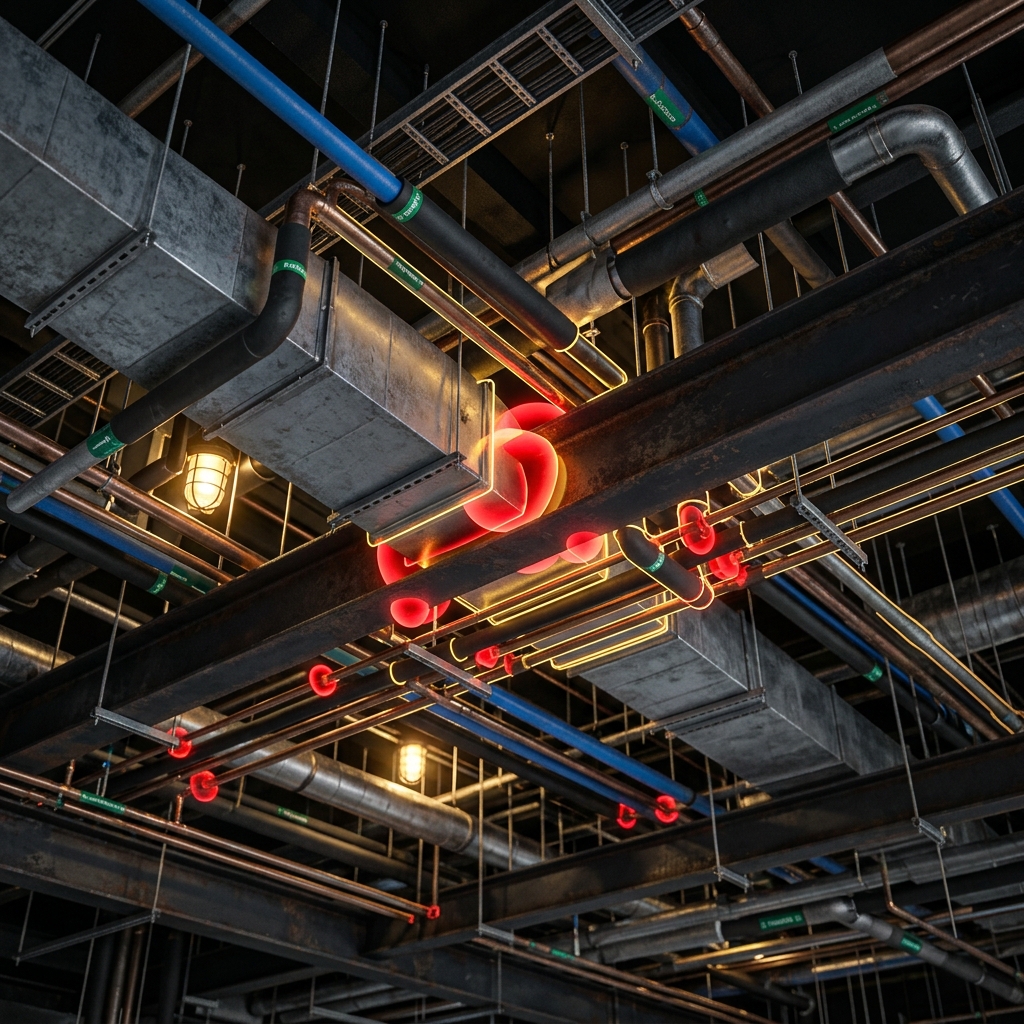 What you’re paying to avoid: unresolved services clashes in an uncoordinated model.
I’ve spent 13+ years in BIM, including coordinating MEP on the WestConnex Tunnel and Sunshine Coast University Hospital — so I’ve sat where you’re sitting, reviewing offshore packages at 7am and deciding whether they were worth the invoice. Some were excellent. Some were expensive rubbish. This guide covers the difference.
Why ANZ firms are outsourcing BIM in 2026
Two forces, both getting worse, not better:
1. Labour cost. A mid-level BIM coordinator in Sydney or Melbourne runs $100-130k base on recent Seek and Hays figures. Add superannuation, leave loading, workers comp, software seats and desk overhead, and the true cost of one loaded hour of in-house modelling lands somewhere around $75-95. Auckland and Christchurch aren’t far behind in NZD terms. We’ve broken the full numbers down in what a BIM coordinator actually earns — salary and cost in Australia & NZ.
2. You can’t hire them anyway. The skills shortage in drafting and BIM isn’t a headline, it’s your empty inbox. Experienced Revit people are being hoovered up by Tier 1 contractors and big consultancies, and training a graduate takes 12-18 months you don’t have. Sponsoring an overseas hire on a 482 visa is slow and costs a fair whack in agent and legal fees before they’ve drawn a single line.
Outsourcing isn’t about replacing your team. It’s about putting the repeatable production work somewhere cheaper so your onshore people spend their expensive hours on design, coordination, and clients.
What you can (and can’t) sensibly outsource
Send offshore:
- 3D modelling from consultants’ documentation — architectural, structural, MEP
- 2D drafting and sheet production — plans, sections, details, as-builts
- Shop drawings — steel, ductwork, hydraulics, joinery. This is the single most outsourced package in the ANZ market; see who prepares shop drawings and what they cost
- Scan-to-BIM — point cloud to Revit for refurb and heritage work
- Clash detection runs and reports — Navisworks/Solibri packaged for your coordination meetings
- Family/content creation — parametric families built to ANZRS or your office standard
Keep onshore:
- Design intent decisions — an offshore modeller should never be guessing what you meant
- Client and consultant coordination — the meetings, the phone calls, the politics
- Final QA sign-off — someone with local code knowledge checks before anything goes out under your title block
- Site-driven urgency — same-day RFI turnarounds are hard across any timezone
The rule of thumb: if the task can be fully described in a written brief with reference documents, it can be outsourced. If it needs judgement about Australian codes or a conversation with the architect, it stays with you.
What it costs: onshore vs offshore
Indicative 2026 rates for equivalent Revit production work:
| Option | Typical rate (AUD/hr) | Notes |
|---|---|---|
| In-house drafter (loaded cost) | $75-95 | Salary + on-costs + overhead, if you can hire one |
| Local drafting service / contractor | $95-150 (BIM/Revit); general CAD from $45-120 | Great for site-heavy or urgent work |
| Labour hire / contract drafter | $85-120 | Flexible, but same talent pool, same shortage |
| Offshore BIM team (Vietnam, India, Philippines) | $15-45 | Production work to your standards, brief-driven |
The gap is not subtle. Even after you allow for extra briefing time and QA on your side — budget 10-15% of the package hours — offshore production typically lands at a third or less of the in-house figure. The comparison gets more interesting when you weigh a local draftsman vs offshore drafting services in Australia for specific job types, because the answer isn’t always offshore.
Where to outsource: Vietnam, India, or the Philippines?
The three serious markets for ANZ firms, honestly compared in Vietnam vs India vs the Philippines for BIM outsourcing. The short version:
- India — the biggest and cheapest pool, strong on volume 2D/3D production. Watch for high staff churn and quality variance between providers; the good firms are genuinely good, the cheap ones will cost you twice.
- Philippines — excellent English, strong US-market experience, culturally easy to work with. Smaller BIM-specific talent pool, and much of it is oriented to American standards and imperial units.
- Vietnam — the dark horse. Only +2 to +4 hours behind AEST (your morning brief is their morning too), metric-native, a young engineering workforce, and a growing crop of teams trained on Australian Tier 1 projects — WestConnex, Snowy 2.0-era infrastructure, hospitals — who already speak NATSPEC and ISO 19650.
Whichever market you lean toward, the advice is the same: don’t award a whole project to a provider you’ve never tested. Run a small paid package first.
How not to get burned: QA is the whole game
Every horror story I’ve heard from ANZ firms — doubled-up elements, families downloaded from god-knows-where, schedules 20% off — traces back to accepting work without acceptance criteria.
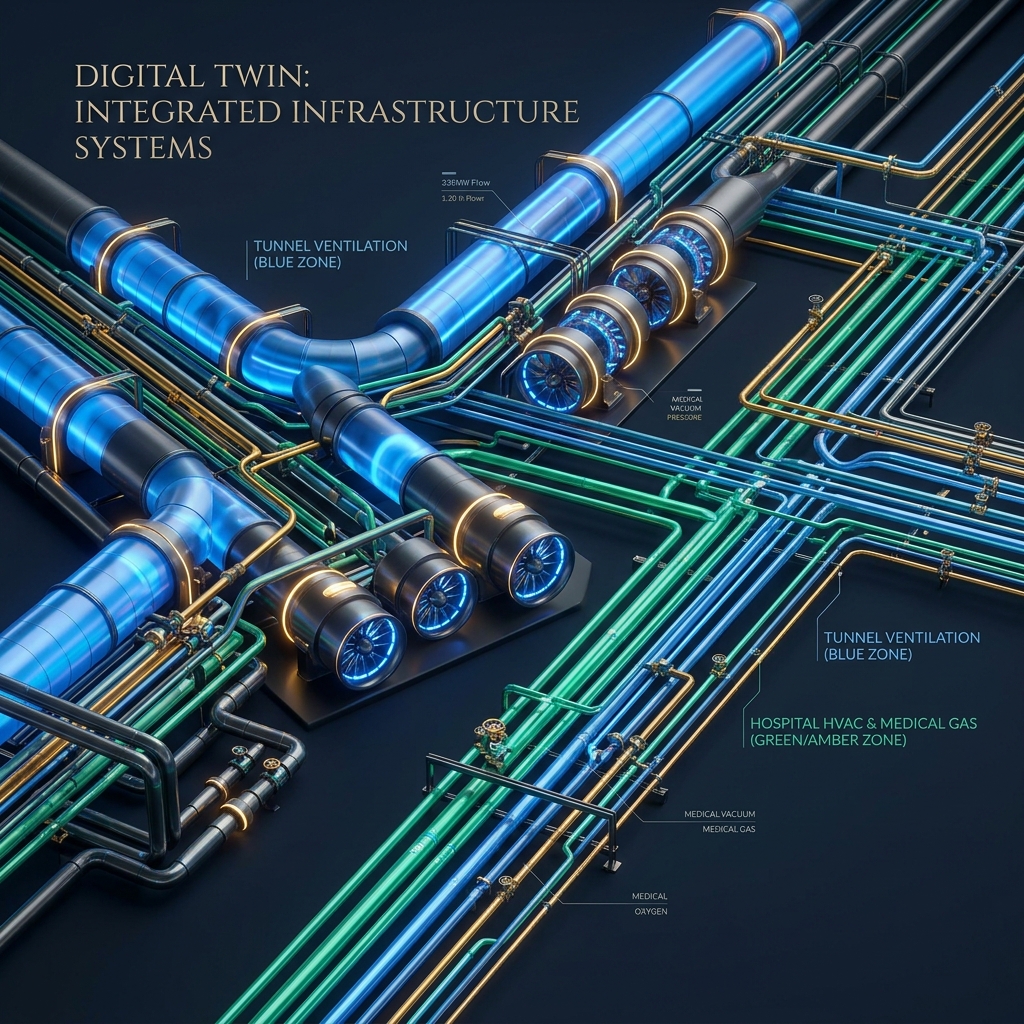
Before you pay for any offshore package, run it through a structured check: worksets, view ranges, family hygiene, disconnects, quantity spot-checks. We’ve published our exact process as a QA checklist for outsourced Revit models, and the technical background as 5 Revit MEP modelling mistakes that cost you dozens of hours — the same standards we hold our own modellers to.
Three contractual basics:
- Written brief per package — scope, LOD, naming standard, template, deliverable format.
- Acceptance criteria — “model passes the 15-point health check” beats “good quality model” every time.
- Staged payment — milestone or package-based, never 100% up front.
How to start: test small, scale on evidence
Don’t restructure your studio around outsourcing. Pick one contained package — a single level of MEP modelling, one steel shop drawing set, a scan-to-BIM of one floor — and run it as a paid test. You’ll learn more from one real package than from twenty sales calls.
Work with us
My team in Vietnam does exactly this work for Australian and NZ firms — Revit modelling, drafting, shop drawings, and MEP coordination to Australian standards, led by someone who’s delivered on WestConnex and Sunshine Coast University Hospital.
🧪 Start small. Test us with a fixed-price starter package — one model, one level, one drawing set: our Fiverr test packages. If the work isn’t up to scratch, you’re out a few hundred dollars, not a project.
Enquire about your project
Tell us about your BIM/MEP project and we'll be in touch to discuss how we can help.
Get new tips in your inbox
Practical BIM management for ANZ teams, one email a fortnight. No spam.
Frequently asked questions
- How much does BIM outsourcing cost compared to hiring in Australia?
- Offshore BIM production typically runs AU$15-45/hour versus $75-95/hour loaded cost for an in-house drafter in Sydney or Melbourne. After allowing 10-15% extra for briefing and QA, most firms land at roughly a third of the in-house cost for equivalent production work.
- What BIM tasks should not be outsourced?
- Design intent decisions, client and consultant coordination, and final QA sign-off should stay onshore. Anything requiring judgement about Australian or NZ codes, or a conversation with the design team, belongs with your local staff.
- Is Vietnam better than India or the Philippines for BIM outsourcing?
- Vietnam offers the best timezone overlap with Australia (+2 to +4 hours from AEST), metric-native workflows, and a growing pool of engineers trained on Australian Tier 1 projects. India offers the largest and cheapest talent pool; the Philippines offers the strongest English.
- How do I check the quality of an outsourced Revit model?
- Run a structured health check before payment: worksets, view ranges, family hygiene, open connectors (Show Disconnects), and quantity spot-checks against a known area. Write the checklist into your engagement as acceptance criteria so "done" is defined before work starts.
- Do offshore teams understand Australian standards?
- The good ones do — look for demonstrated experience with NATSPEC, ANZRS, ISO 19650 and Australian project references, and verify it with a paid test package. Standards literacy varies enormously between providers, which is why references and a test beat any capability statement.